
Understand the thinking behind business language.
Explore how the metaphors we use shape our understanding of work, money and relationships. Learn to recognise the patterns, ask more precise questions, and see the approach applied in recorded client sessions.
Advanced study for learners who have completed Metaphors of Movement Levels 1–3.
move forward.”
video material
client demonstrations
at your own pace
Everyday phrases.
Unexpected possibilities.
Getting a business off the ground. Growing a client base. Feeling pulled in different directions. This programme looks closely at familiar expressions—and the assumptions, relationships and choices they can reveal.
Recognise the pattern
Hear recurring metaphor families in ordinary conversation, and notice when different images imply different ways of working.
Make your questions more precise
Examine direction, distance, pace and position. Go beyond a familiar phrase to explore what the person actually means.
See the work in context
Follow Andrew through extended client sessions, with the space to observe how questions and responses develop over time.
One phrase.
Several useful questions.
Choose an example to see the kind of thinking the course explores.
Illustrative questions based on themes explored in the programme. The full course develops these ideas through teaching, exercises and recorded client work.
Read a little.
Notice a little more.
Five public introductions to themes from the course. Explore a familiar expression, consider the questions it raises, and get a feel for the approach.
What is the money for?
The difference between supporting a business and changing what needs support.
Read the introduction 02 / GrowthSeeds, seasons & conditions.
What agricultural language suggests about development and timing.
Read the introduction 03 / CompetitionWhen business becomes a battle.
Listen more closely to the language of campaigns, targets and conflict.
Read the introduction 04 / JourneysPay attention to the road.
The route, the destination and the experience of getting there.
Read the introduction 05 / DirectionGoing places. But where?
Four distinctions behind movement: direction, distance, mode and rate.
Read the introductionThese introductions are free to read. Full lessons, recordings and client demonstrations are included in the paid membership.
A detailed exploration
of business and money.
Move between focused teaching and longer demonstrations. These themes bring together the course’s videos, written material and selected audio commentary.
01Direction, movement & progress
Explore businesses as journeys: where they are going, how they travel, and what progress means. Examine the distinction between the movement of an organisation and the experience of the people inside it.
02Growth, production & development
Look at the implications of agriculture and cooking metaphors: the conditions for growth, the importance of timing, and the relationship between ingredients, process and the finished product.
03Strategy, conflict & organisation
Explore the language of campaigns, competition and command. Consider how an organisation’s operating metaphor can shape expectations, roles and responses to change.
04Customers & working relationships
Revisit situational relational positioning in business. Consider the relationship a customer is asking for, how it differs from the position you adopt, and what your communication conveys.
05Money, value & business judgement
Use the £10,000 exercise to examine what people expect money to do for a business. Explore familiar money idioms, cultural references and the assumptions contained in apparently simple descriptions.
06Extended client demonstrations
Observe the ideas in use across individual sessions and longer series. Follow the language, the questions and the changing descriptions, with room to pause, revisit and make your own observations.
See the work
unfold.
The client demonstrations give the ideas time and context. Watch how Andrew follows a description, explores its implications and works with the responses that emerge.
Follow the conversation
Observe how a familiar business concern becomes a more detailed exploration of language, position and perspective.
Notice the decisions
Pay attention to which details are pursued, how questions are framed, and where descriptions begin to change.
Return with a different question
Pause and revisit the recordings as your understanding develops. Longer sessions reward careful observation.
For people ready
to take the work further.
This programme extends Metaphors of Movement into the world of work, business and money.
- MoM graduates developing their understanding of the approach.
- Coaches, therapists and consultants exploring business and working relationships.
- Business owners and managers examining their own language, assumptions and position.
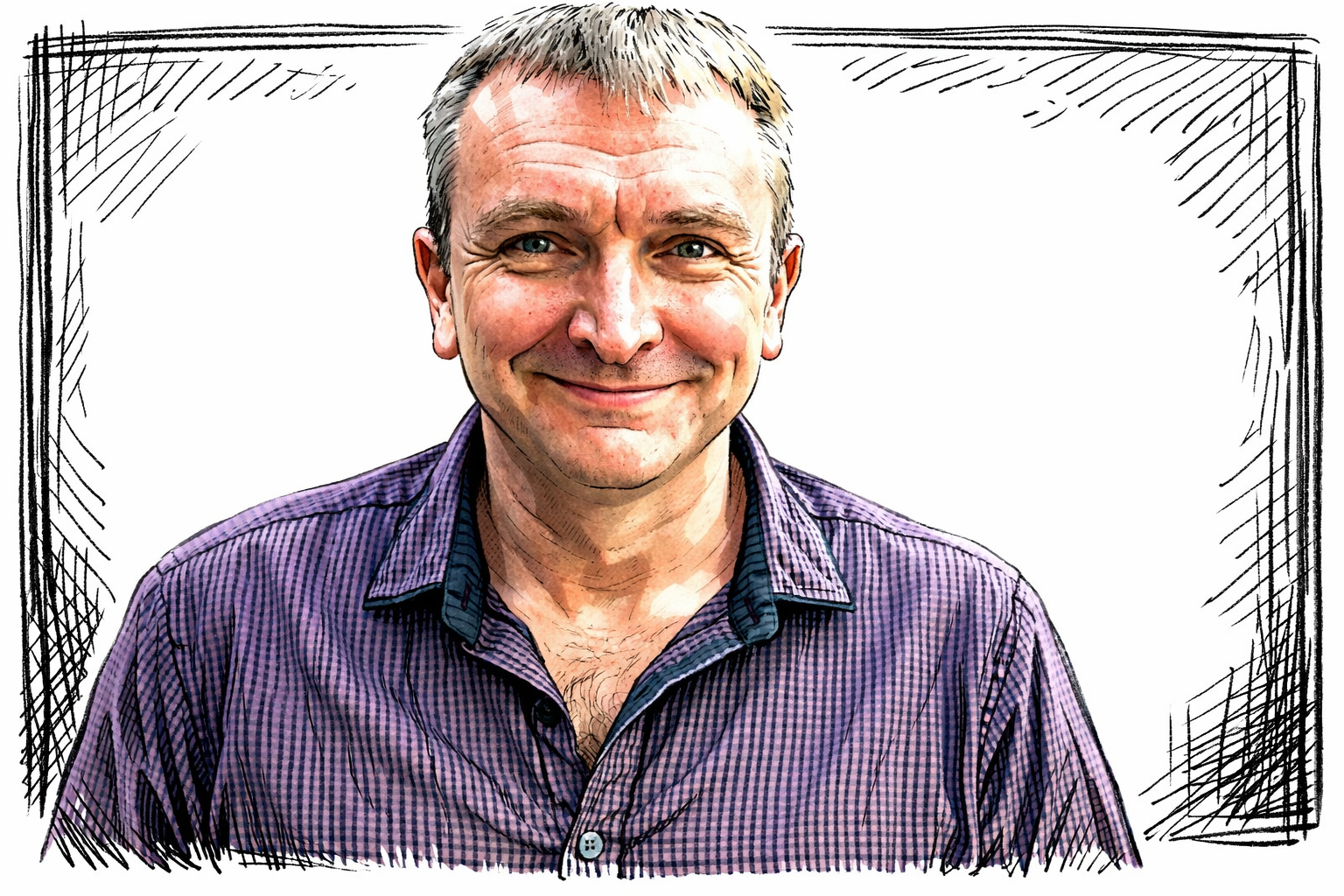
Andrew T. Austin
Developer of Metaphors of Movement and Integral Eye Movement Therapy.
In Metaphors of Business and Money, Andrew brings the approach into the language of organisations, customers, work and money.
His teaching combines close examination of everyday expressions with extensive recorded client work. You can follow the exploration, consider the questions and develop your own observations.
Before you
begin.
A clear picture of the programme, the access period and what to expect.
Do I need previous Metaphors of Movement training?
What is included in the membership?
Can I study in my own time?
How does payment and renewal work?
What kind of learning should I expect?
What do I need to view the course?
Take a closer look
at the language
you work with.
Continue your Metaphors of Movement study with an in-depth exploration of business, money and working relationships.
For learners who have completed Levels 1–3.
- 17+ hours of recorded video
- Teaching and extended client demonstrations
- Written material and selected audio commentary
- Study and revisit at your own pace
Continue to membership checkout to create your account and enrol.